Solar Panel Components Guide Pakistan 2026: What to Buy
Buying a solar system in 2026 means more than picking a panel brand. Inverters, batteries, mounting structures, and cabling decide whether your system survives Pakistan’s heat, dust, and voltage swings for the next 10-15 years. This guide breaks down every core component so you can shop with confidence instead of guesswork.
Most buyers focus on panel wattage and ignore the balance-of-system parts that actually fail first. A cheap inverter or substandard mounting frame can cut years off a system that otherwise would have paid for itself twice over. We’ll walk through each part, show you what matters, and flag the mistakes that cost homeowners and businesses money every season.
Solar Panels: Tier and Technology in 2026
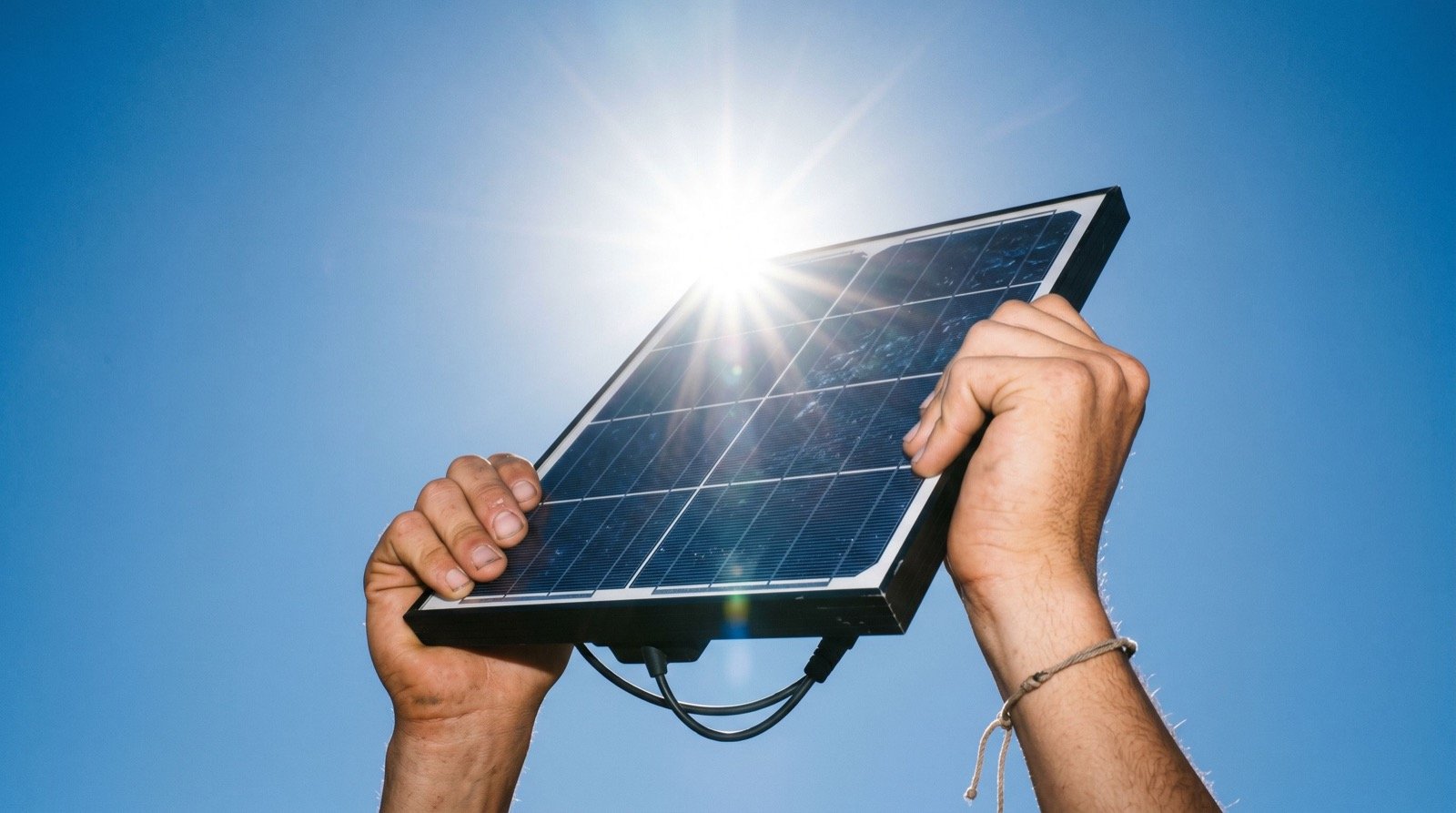
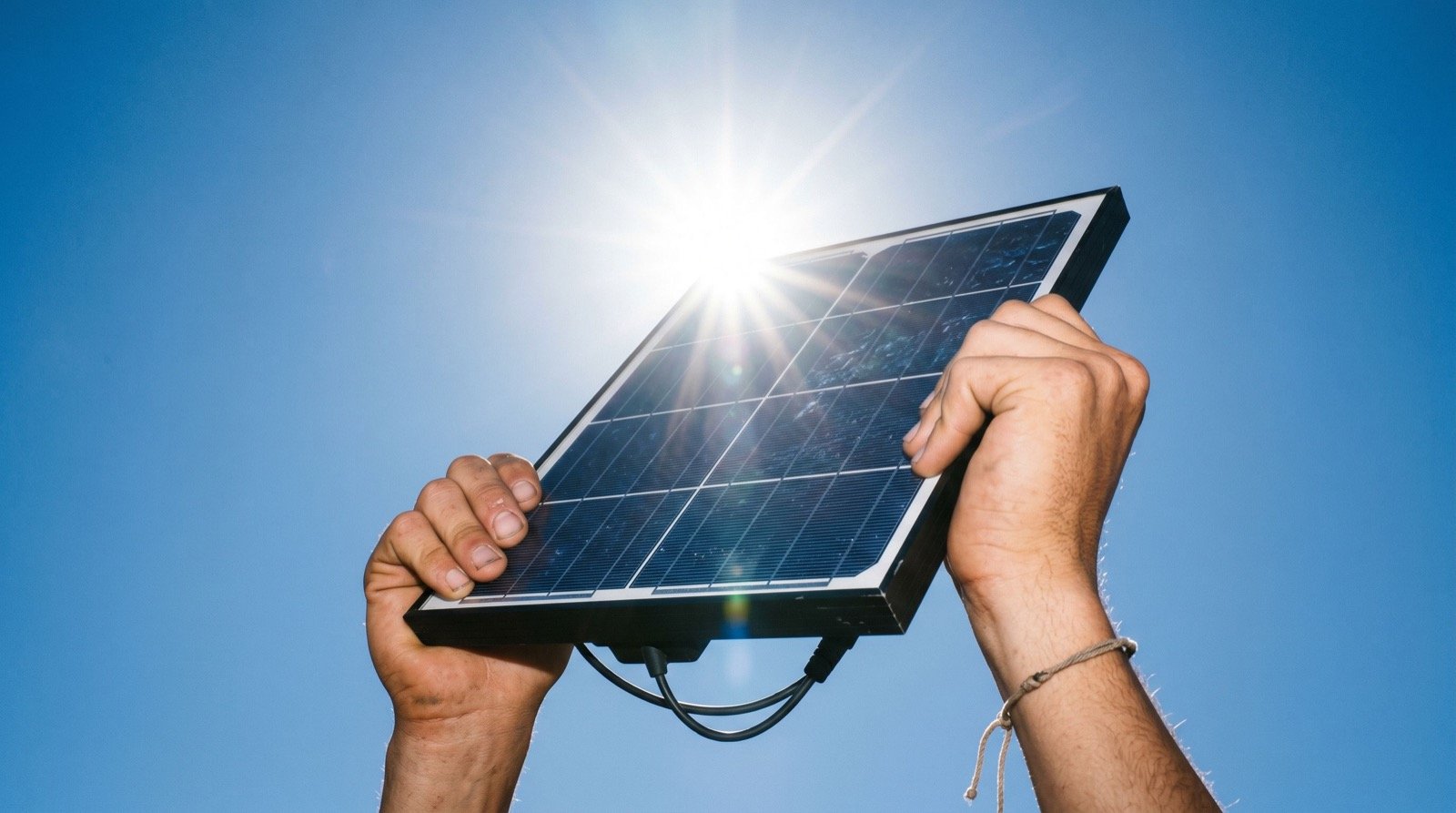
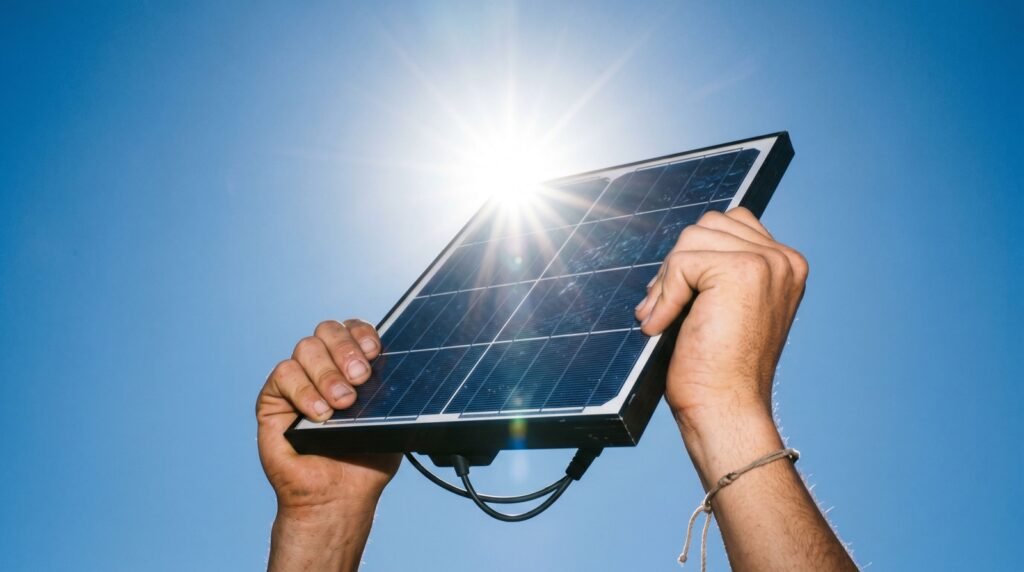
Monocrystalline PERC and newer TOPCon panels now dominate the Pakistani market because they handle high ambient temperatures better than older polycrystalline units. Look for panels tested to the IEC 61215 durability standard, with a performance warranty of at least 25 years and a temperature coefficient below -0.35%/°C.
- Monocrystalline PERC: best balance of price and efficiency for rooftops
- TOPCon/N-type: higher output in partial shade and high heat, costs more upfront
- Bifacial panels: useful on reflective rooftops or ground-mount carports
Why Panel Quality Matters More Than Price
A 10% cheaper panel that degrades 1% faster per year loses the price advantage within six to seven years. Always ask the supplier for the datasheet and compare degradation curves, not just sticker price.
Inverters: The Component That Fails First
Inverters are the single most common point of failure in Pakistani installations, largely because of unstable grid voltage and heat inside poorly ventilated meter rooms. Hybrid inverters with built-in battery charge controllers are now the standard choice for homes that want backup power during loadshedding.
| Inverter Type | Best For | Typical Warranty | Grid Interaction |
|---|---|---|---|
| On-grid (string) | Net metering, no backup needed | 5-10 years | Exports excess units |
| Hybrid | Homes wanting battery backup | 5-10 years | Switches to battery on outage |
| Off-grid | Remote sites, no grid connection | 5-7 years | Not connected to grid |
Do You Need a Hybrid Inverter in 2026?
If your area still sees scheduled loadshedding or voltage fluctuation, yes. A hybrid setup with lithium batteries keeps essential loads running without a noisy generator, and it future-proofs the system if you add storage later.
Batteries and Storage Components
Lithium iron phosphate (LiFePO4) batteries have mostly replaced lead-acid in new installations because they last roughly three times longer and handle deeper discharge cycles. They cost more per kWh but work out cheaper over a 10-year ownership period.
- Calculate your essential backup load (fridge, lights, fans, routers)
- Size the battery bank to cover 4-8 hours of that load
- Confirm the battery’s cycle life and depth-of-discharge rating with the supplier
- Check the warranty covers capacity retention, not just manufacturing defects
Mounting Structures and Cabling: The Overlooked Parts
Galvanized steel or aluminum mounting frames need to withstand monsoon wind loads and years of UV exposure. Cheap, thin-gauge structures rust or bend within a few seasons, especially near coastal air in the south. DC cabling should be UV-resistant and rated for outdoor use, with proper earthing on every metal component to protect against lightning-induced surges.
How Do I Know My Installer Used Correct Components?
Ask for the full bill of materials with brand names and model numbers before signing, not after. A transparent supplier will happily list every component; one that’s vague about brands is usually cutting corners somewhere in the system. Grid-tied inverters should also meet NEPRA’s interconnection standards for distributed generation, which protects both your equipment and the local grid from faults.
Component quality is exactly where installation expertise matters. Homeowners researching solar panels in Karachi consistently find that coastal humidity and salt air demand better-rated mounting hardware and connectors than installers in drier cities typically stock. Meanwhile, buyers evaluating a solar company in Islamabad should ask specifically how the firm handles winter fog and lower seasonal irradiance in system design, since under-sizing is a common shortcut in that region.
Monitoring Systems and Warranty Paperwork
A monitoring app or dashboard is no longer optional in 2026. It shows real-time generation per string, which is the fastest way to notice a failing panel or a shaded section before it quietly drags down your whole system’s output for months.
Keep every warranty card, invoice, and datasheet in one folder, physical or digital, from day one. When a panel or inverter needs a warranty claim three or five years later, the supplier will ask for the original purchase date and serial numbers, and installers who went out of business leave buyers with no recourse unless the paperwork traces back to the manufacturer directly.
Should You Pay Extra for Remote Monitoring?
Yes, if the system includes more than four or five panels. The small added cost pays for itself the first time it flags an underperforming string weeks before you would have noticed a higher-than-expected bill on your own.
Component Checklist Before You Sign a Contract
Before paying any deposit, confirm the brand and tier of every major part. This single step prevents most of the long-term problems installers see.
- Panel brand, tier, and warranty length in writing
- Inverter type matched to your backup needs
- Battery chemistry and cycle-life rating, if storage is included
- Mounting material rated for your local climate
- AC/DC surge protection and proper earthing included
For buyers who want a deeper breakdown of every accessory category, our dependable specialists resource covers connector types, junction boxes, and monitoring hardware in more technical detail than most installers volunteer upfront.
Frequently Asked Questions
What size solar system do I need for a typical home in Pakistan?
Most 3-5 marla homes with moderate AC use need a 5-7kW system, while larger houses with central cooling often require 10kW or more. A proper load audit by the installer is the only reliable way to size it correctly.
Are lithium batteries worth the extra cost in 2026?
For most households facing regular backup needs, yes. LiFePO4 batteries last two to three times longer than lead-acid and need far less maintenance, which lowers the real cost per year of ownership.
How long do solar panels actually last?
Quality Tier 1 panels typically retain around 80-85% of original output after 25 years. Components around the panel, like inverters and batteries, usually need replacement sooner.
Can I upgrade a basic system with batteries later?
Yes, if you choose a hybrid inverter from the start. It is far cheaper to add batteries to an existing hybrid setup than to replace an on-grid-only inverter down the line.
Conclusion
The panels get the attention, but inverters, batteries, mounts, and cabling determine whether your solar investment actually lasts. Get the bill of materials in writing, match components to your climate and backup needs, and work with an installer who explains every part of the system rather than just the final price. Request a full component breakdown from your installer before you sign anything in 2026.