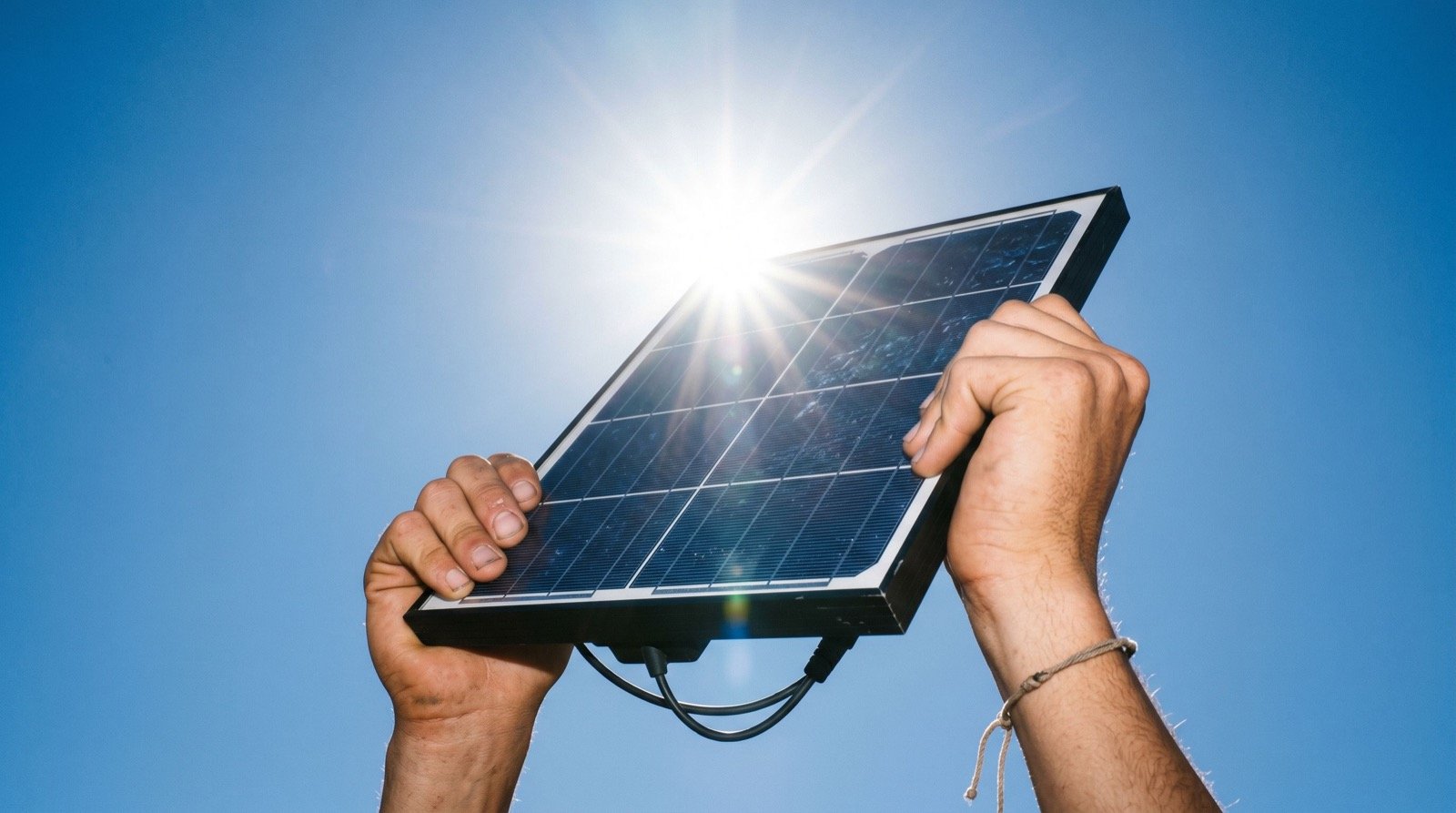
Solar Accessories in Pakistan: The 2026 Components That Make or Break Your System
Everyone obsesses over the panels, yet the quiet failures almost always come from the parts around them. The right solar accessories in Pakistan — inverters, batteries, mounting, protection devices, and monitoring — decide whether your array delivers for 25 years or starts tripping after one monsoon. This 2026 guide covers the components that matter, how to spec them, and where buyers most often go wrong.
Think of a solar system as a chain. A premium module is wasted if the cable is undersized, the earthing is poor, or the inverter has no local support. Get the accessories right and everything else just works.
Why Solar Accessories in Pakistan Deserve Equal Attention
Panels are the most standardised part of the system. The variability — and the risk — lives in the balance-of-system hardware. Harsh summer heat, dust, and sudden storms stress these parts hard, so quality here pays off directly in uptime and safety.
- Dust reduces output, so cleaning and coating accessories matter.
- High ambient temperatures demand properly rated cables and breakers.
- Grid fluctuations make surge protection essential, not optional.
The Core Accessory Categories
Inverters
The inverter converts DC to usable AC and is the brain of the system. Choose between a straightforward on-grid unit, a hybrid that can add batteries later, or an off-grid inverter for areas with unreliable supply. Prioritise in-country warranty and replacement availability over a fractional efficiency gain on the datasheet.
Batteries
Lithium-ion (LiFePO4) has largely overtaken lead-acid for new installs thanks to longer cycle life and deeper usable capacity. Size the bank to the loads you truly need overnight, not the whole house, to keep costs sane.
Mounting and structure
Galvanised or aluminium rails, L-feet, and mid/end clamps hold everything at the correct tilt. Flimsy structures bend and void panel warranties, so this is no place to economise.
Protection and monitoring
DC/AC breakers, fuses, surge arrestors, and a proper earthing kit keep the system safe. A Wi-Fi monitoring dongle lets you catch underperformance early from your phone.
Accessory Spec Table
| Accessory | What to check | Why it matters |
|---|---|---|
| Inverter | Type, warranty, local support | Core reliability and future battery readiness |
| Battery | Chemistry, cycles, usable kWh | Backup runtime and lifetime cost |
| DC cable | Gauge, UV rating | Prevents losses and heat damage |
| Surge arrestor | Type 2, correct voltage | Shields inverter from spikes |
| Mounting | Material, wind rating | Structural safety in storms |
When you source parts, insist on genuine, warrantied items. Buyers comparing solar accessories in Pakistan should match every component’s rating to the system design rather than grabbing the cheapest generic equivalent.
Common Accessory Mistakes to Avoid
- Undersized cabling that overheats and wastes generated power.
- Skipping surge protection, then losing an inverter to a grid spike.
- Mismatched battery and inverter that cannot communicate properly.
- No monitoring, so months of underperformance go unnoticed.
- Cheap clamps that loosen and let panels shift in high wind.
Electrical safety standards exist precisely to prevent these failures. Guidance from bodies such as the International Electrotechnical Commission underpins the ratings you see on quality inverters, cables, and protection devices — another reason to buy certified parts rather than unmarked substitutes.
Do I Really Need Premium Accessories, or Will Basics Do?
You do not need the most expensive item in every category, but you do need the correctly rated one. The safe path is to spec protection, cabling, and mounting to the standard, then spend selectively on the inverter and battery where longevity matters most. Pairing good parts with professional solar installation services ensures the accessories are commissioned correctly, torqued to spec, and documented.
Installation quality is itself an accessory of sorts: the labour binds every component together. Working with reputable service experts who test each connection before handover prevents the small faults that snowball into outages.
A Practical Buying Checklist
- Confirm the inverter supports your current and future load.
- Match battery chemistry and capacity to real overnight needs.
- Verify DC cable gauge and UV rating against the string design.
- Include Type-2 surge protection and a complete earthing kit.
- Add monitoring so you can track output daily.
Accessories That Extend System Life
Beyond the core hardware, a handful of add-ons quietly protect your investment and squeeze out extra output over the years. They cost little next to the panels yet pay for themselves in uptime.
- Panel cleaning kit: a soft brush and deionised water setup restores output lost to dust without scratching the glass.
- Anti-dust coatings: hydrophobic coatings help rain carry grime away between cleanings.
- Cable management: UV-rated clips and conduit stop wires chafing on hot rooftops.
- Lightning and earthing kit: critical in storm-prone regions to shunt surges safely to ground.
- Backup changeover switch: lets you isolate the system cleanly for maintenance.
None of these are glamorous, but skipping them is how a system slowly loses a few percent of output every season until the shortfall becomes obvious on your bill.
Matching Accessories to Your Climate Zone
Pakistan spans several climates, and the ideal accessory mix shifts with each. Coastal Karachi installations need extra corrosion protection and marine-grade clamps, while dusty inland plains reward better cleaning tools and coatings. High-altitude northern areas face snow and demand sturdier mounting and wind ratings. Tell your installer your exact location so the balance-of-system parts suit the environment they will endure for decades.
Frequently Asked Questions
Which solar accessory fails most often in Pakistan?
Inverters and unprotected electronics top the list, usually because of grid surges and heat. Correctly rated surge arrestors and good ventilation dramatically reduce these failures.
Are lithium batteries worth the extra cost?
For most homes, yes. LiFePO4 batteries last far more cycles and allow deeper discharge than lead-acid, lowering the true cost per usable kWh over their lifetime.
Can I add a battery to an existing on-grid system later?
Only if your inverter is hybrid or battery-ready. If you expect to add storage, choose a hybrid inverter from the start to avoid replacing it.
Do I need monitoring if my system is small?
Monitoring is valuable at any size. It alerts you to a dirty panel, a tripped string, or a failing component before it quietly costs you weeks of output.
The Bottom Line
Great panels are only as good as the hardware around them. Choosing the right solar accessories in Pakistan — a supported inverter, the correct battery, rated cabling, real surge protection, and monitoring — is what turns a 2026 installation into a two-decade asset. Spec to the standard, buy genuine parts, and have professionals commission them. That is how you avoid the quiet failures that undermine so many otherwise good systems.