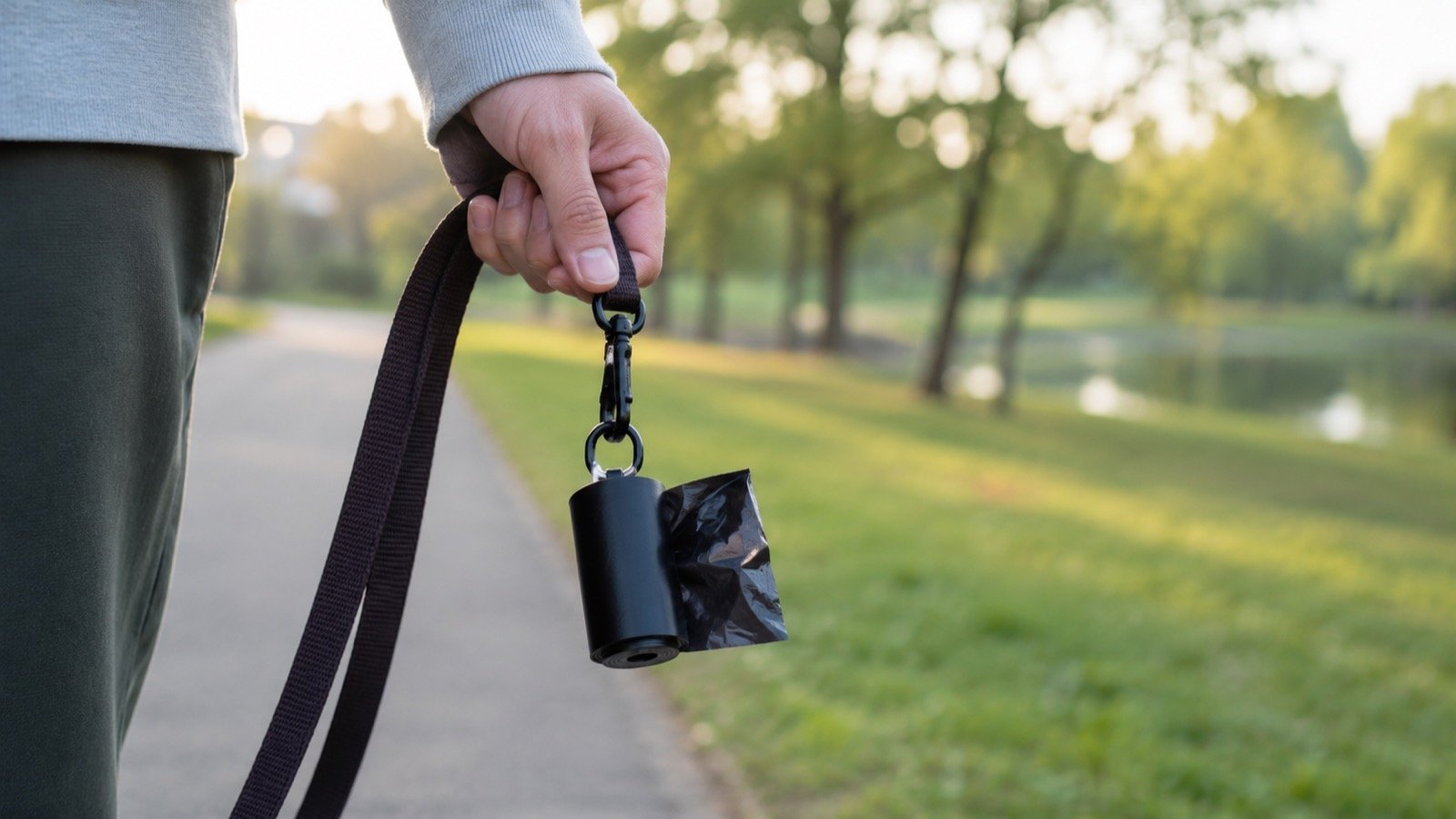

Heavy Duty Dog Bags: The Tech Behind Better Pet Waste Cleanup in 2026
We rarely stop to think about the engineering inside a waste bag, but there is real material science at work. The difference between a bag that fails and one that never lets you down comes down to polymer thickness, seam design, and how the bag interacts with your scooper. In 2026, that quiet innovation makes daily cleanup dramatically more reliable.
As someone who geeks out over how everyday products actually work, I dug into what makes heavy duty dog bags perform. The findings changed how I shop for pet supplies, and they will probably change your mind too.
The Material Science of Heavy Duty Dog Bags
Most waste bags are made from polyethylene, but thickness and formulation vary wildly. A higher mil rating means more material and better resistance to punctures and tears. Some heavy duty options add reinforcement at stress points, which is exactly where cheap bags fail.
Seam design is the unsung hero. A poorly sealed bottom leaks under pressure, while a properly welded seam holds firm. When you carry a full bag across a yard, that seam is doing more work than you realize. Investing in genuine heavy Dog duty Bags means paying for that engineering instead of thin, failure-prone film.
How Bags and Scoopers Work Together
A bag does not operate in isolation. It has to fit and hold securely in whatever tool you use. A scooper with an integrated holder relies on the bag keeping its shape and staying put during the pickup. Mismatched or flimsy bags slip and tear, defeating the whole system.
That is why a purpose-built pairing matters. A sturdy metal scooper combined with a thick bag creates a reliable, repeatable motion. The Pooper Scooper metal from GoGo Stik is engineered to hold heavy duty bags firmly, so the tool and bag act as one integrated device.
Key Specs Worth Understanding
| Spec | What it means | Why it matters |
|---|---|---|
| Mil thickness | Film gauge | Higher resists tears and punctures |
| Seam type | Bottom seal design | Prevents leaks under load |
| Material | Polymer blend | Affects flexibility and strength |
| Size | Capacity | Room for secure knotting |
Why Do Cheap Bags Fail So Often?
The short answer is thin film and weak seams. Budget bags shave material to cut cost, which lowers the mil rating and makes them prone to tearing on twist ties, sharp gravel, or even a firm knot. Cold weather makes it worse because thin polyethylene turns brittle in low temperatures.
Heavy duty bags solve this with more material and better formulation. They flex in the cold, resist punctures, and hold a tight seal. The upfront cost is slightly higher, but you use fewer bags and suffer zero failures, which is the smarter long-term buy.
Practical Buying Checklist
- Choose a higher mil rating for medium and large dogs.
- Confirm the bags are leak-proof with sealed seams.
- Match bag size to your dog to avoid waste or overfilling.
- Store bags cool and dry to preserve material integrity.
- Ensure compatibility with your scooper’s holder.
The Environmental Angle
Better bags also support responsible disposal. The U.S. Environmental Protection Agency explains that uncollected pet waste releases bacteria and nutrients into local waterways. Their overview of pet waste and water quality underscores why sealing waste in a reliable bag and binning it promptly protects your community’s water.
When cleanup scales beyond daily walks, such as clearing a neglected yard, reliable local experts can handle the job efficiently. For everyday use, the right bag-and-scooper pairing covers it.
The Role of Biodegradable and Compostable Options
Material innovation is not only about strength. In 2026, more owners want bags that break down responsibly. Compostable and plant-based bags have improved, though they still face a trade-off: many prioritize decomposition over raw durability, so the strongest options are not always the greenest.
The engineering challenge is balancing tear resistance with breakdown. A bag that is too tough resists composting, while a bag that composts easily may be more prone to failure under load. Reading the specs carefully helps you match the bag to your priorities, whether that is maximum strength or lower environmental impact.
Weighing Strength Against Sustainability
- Standard heavy duty: maximum strength, longer to break down.
- Compostable: greener disposal, sometimes thinner walls.
- Hybrid formulations: aim to balance both, worth watching in 2026.
- Match your choice to your local waste and composting rules.
Whichever you choose, the core specs still matter. A bag that fails is wasteful no matter what it is made of, so durability remains the foundation of a genuinely responsible choice.
Frequently Asked Questions
What mil thickness counts as heavy duty for dog bags?
There is no universal standard, but a noticeably thicker film with reinforced seams signals heavy duty. For large dogs, prioritize the highest mil rating you can find with leak-proof construction.
Do heavy duty bags perform better in cold weather?
Yes. Thin bags turn brittle in low temperatures, while thicker, better-formulated bags stay flexible and resist cracking, which makes them far more reliable in winter.
Why does bag and scooper compatibility matter?
A scooper with an integrated holder needs a bag that fits and stays secure during the pickup. Compatible, sturdy bags keep the system working smoothly without slipping or tearing.
Are heavy duty bags better for the environment?
They support responsible disposal by sealing waste securely, which prevents leaks into storm drains. Reliable containment is a key part of keeping pet waste out of waterways.
Final Thoughts
The tech behind heavy duty dog bags is real, and it makes a genuine difference. Higher mil thickness, better seams, and proper scooper compatibility turn a frustrating chore into a reliable routine. In 2026, understanding the specs helps you buy smarter, waste less, and keep both your yard and your local water clean.
The next time you shop for waste bags, look past the price tag and read the specifications. A few extra cents per bag buys you material engineering that prevents tears, contains odor, and holds up in any weather. That is the quiet payoff of understanding what goes into a good bag: fewer failures, less waste, and a cleanup routine you can actually trust. Smart specs today mean a stress-free routine every day after.